Maximizing Productivity in Winter Months
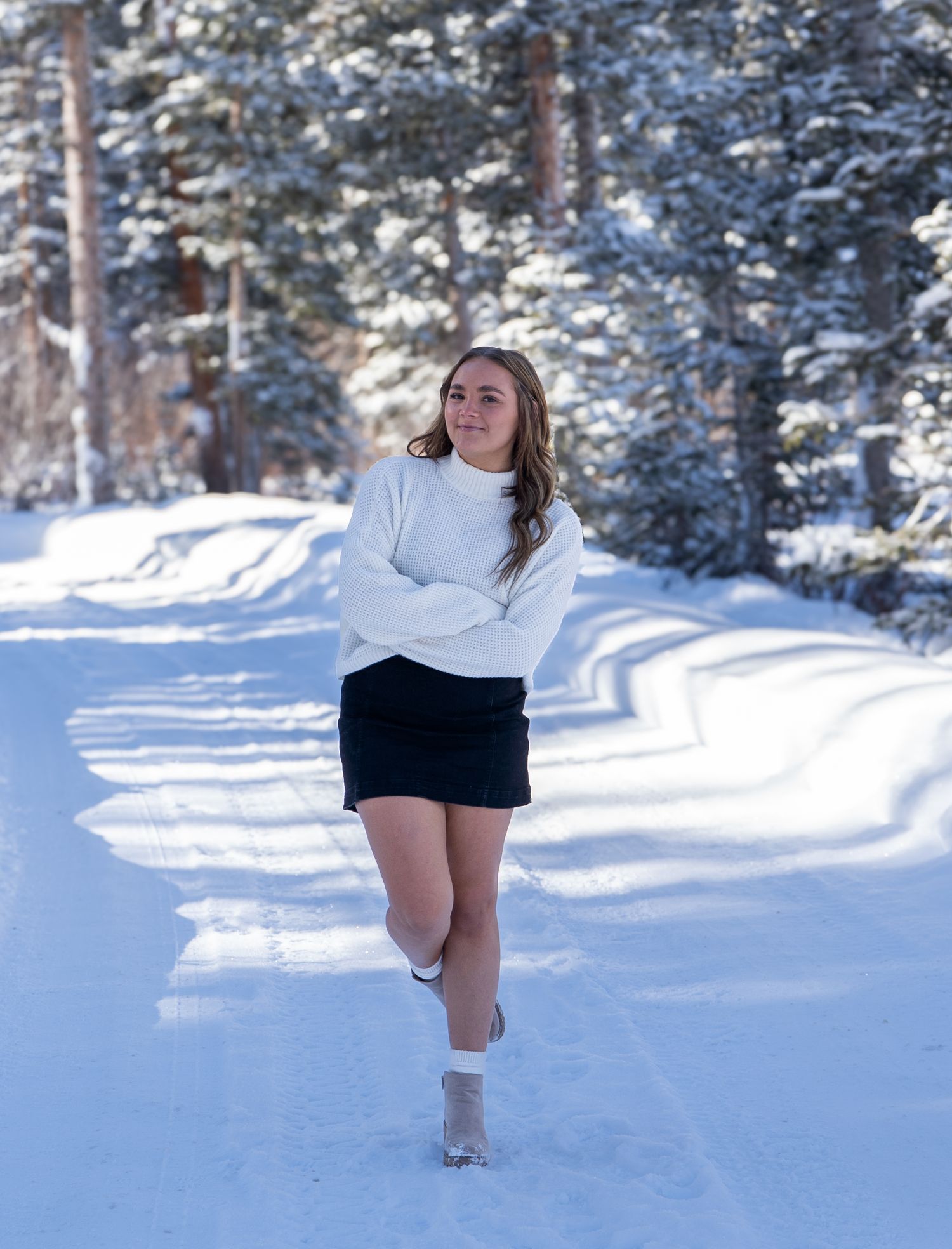
For photographers in colder states, winter often brings a lull in client-facing sessions. The snow-covered landscapes can inspire creativity, but the chilly weather can also lead to fewer outdoor bookings. However, downtime doesn’t have to mean inactivity. This season provides a golden opportunity to refocus, refine your craft, and build your business. Here are some strategies to make the most of the quieter months:
1. Offer Mini Sessions
Mini sessions are a great way to attract clients during the off-season. These shorter, more affordable sessions can be themed around the winter season or upcoming holidays like Valentine’s Day.
- Themes to Consider: Winter wonderland, cozy indoor family portraits, or romantic couple sessions.
- Marketing Tips: Promote these sessions through social media and email campaigns. Use limited-time offers to create urgency.
2. Rent a Studio
When outdoor sessions aren’t feasible, studio rentals provide a controlled environment for shoots. Renting a studio opens opportunities for creative projects and client sessions.
- Advantages: No weather-related disruptions, access to professional lighting, and customizable backdrops.
- Ideas: Host maternity, milestone, or family sessions in a cozy, styled indoor setup.
- Pro Tip: Collaborate with local studios for discounted rates during their slow periods.
3. Invest in Training and Skill Development
Winter is an ideal time to enhance your skills and learn new techniques.
- Workshops: Attend photography workshops (in-person or online) focusing on lighting, editing, or posing.
- Courses: Platforms like CreativeLive, Skillshare, and LinkedIn Learning offer specialized photography courses.
- Practice: Experiment with new equipment or techniques, such as off-camera flash or macro photography.
4. Organize or Attend Photography Meetups
Connecting with other photographers can be both educational and inspiring.
- Host Meetups: Arrange a local photography walk or studio day to network and share ideas.
- Attend Events: Look for local or virtual conferences and expos where you can learn and collaborate.
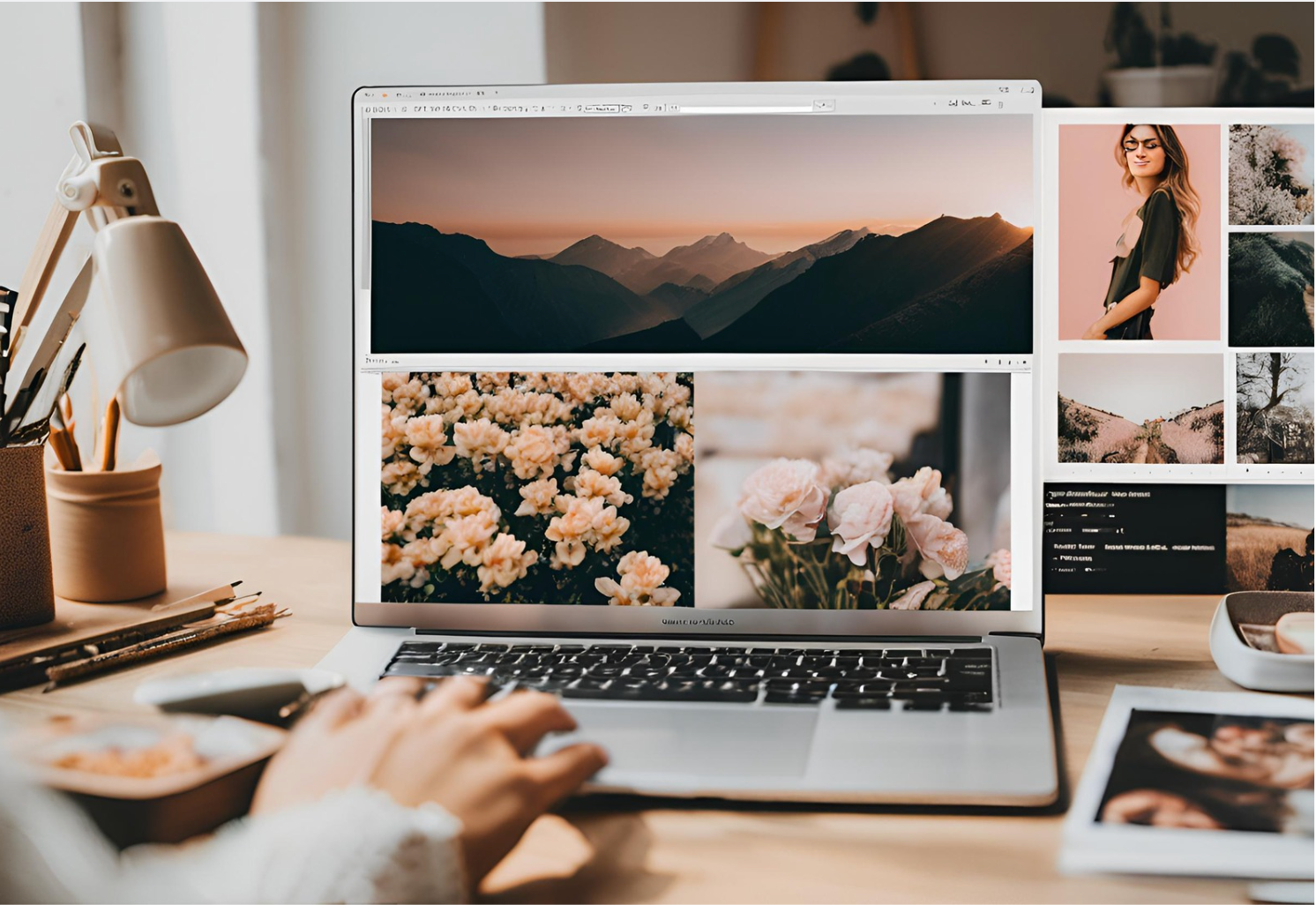
5. Refresh Your Portfolio and Website
Use downtime to audit and update your online presence.
- Portfolio Update: Replace outdated images with fresh, high-quality work.
- SEO Optimization: Revise your website content to include winter-related keywords (e.g., “Utah winter photographer”).
- Blog Content: Write articles on topics like winter photography tips or why clients should book sessions early for spring.
6. Launch a Personal Project
Personal projects are excellent for reigniting your creativity.
- Ideas: Create a photo series based on a winter theme or focus on a specific niche (e.g., black-and-white portraits).
- Showcase Your Work: Share progress and behind-the-scenes content on social media to engage your audience.
7. Offer Client Workshops
Educate your clients and build rapport by hosting workshops or tutorials.
- Examples: Teach basic photography skills, such as using a DSLR or smartphone photography.
- Format: These can be short online webinars or small in-person gatherings.
8. Strengthen Your Marketing Efforts
Use this time to plan and execute marketing campaigns.
- Social Media Campaigns: Post regularly to keep your audience engaged. Use seasonal content and interactive posts.
- Email Newsletters: Send updates to past clients, offering winter specials or tips for preparing for spring sessions.
- Ad Campaigns: Run targeted ads promoting indoor sessions or gift cards.
9. Expand Your Offerings
Consider diversifying your services to meet different client needs.
- Photo Products: Offer prints, albums, or holiday cards.
- Gift Cards: Market photography gift cards as perfect presents for loved ones.
- Stock Photography: Upload your images to stock photography sites for passive income.
10. Plan for the Busy Season
Use winter downtime to prepare for the upcoming busy months.
- Organize Gear: Clean, repair, or upgrade your equipment.
- Create Templates: Develop email, contract, and pricing templates for faster client onboarding.
- Schedule Promotions: Plan spring and summer campaigns to get ahead.