How to Choose the Perfect Lens for Your Photography Session:
Answering the Most Asked Questions!
When it comes to photography, your lens choice can make or break a shot. Whether you're shooting portraits, landscapes, or macro photography, the lens you choose will significantly impact the quality and feel of your images. Here are the top questions answered to help you pick the right lens for each session type.
1. What lens should I use for portrait photography?
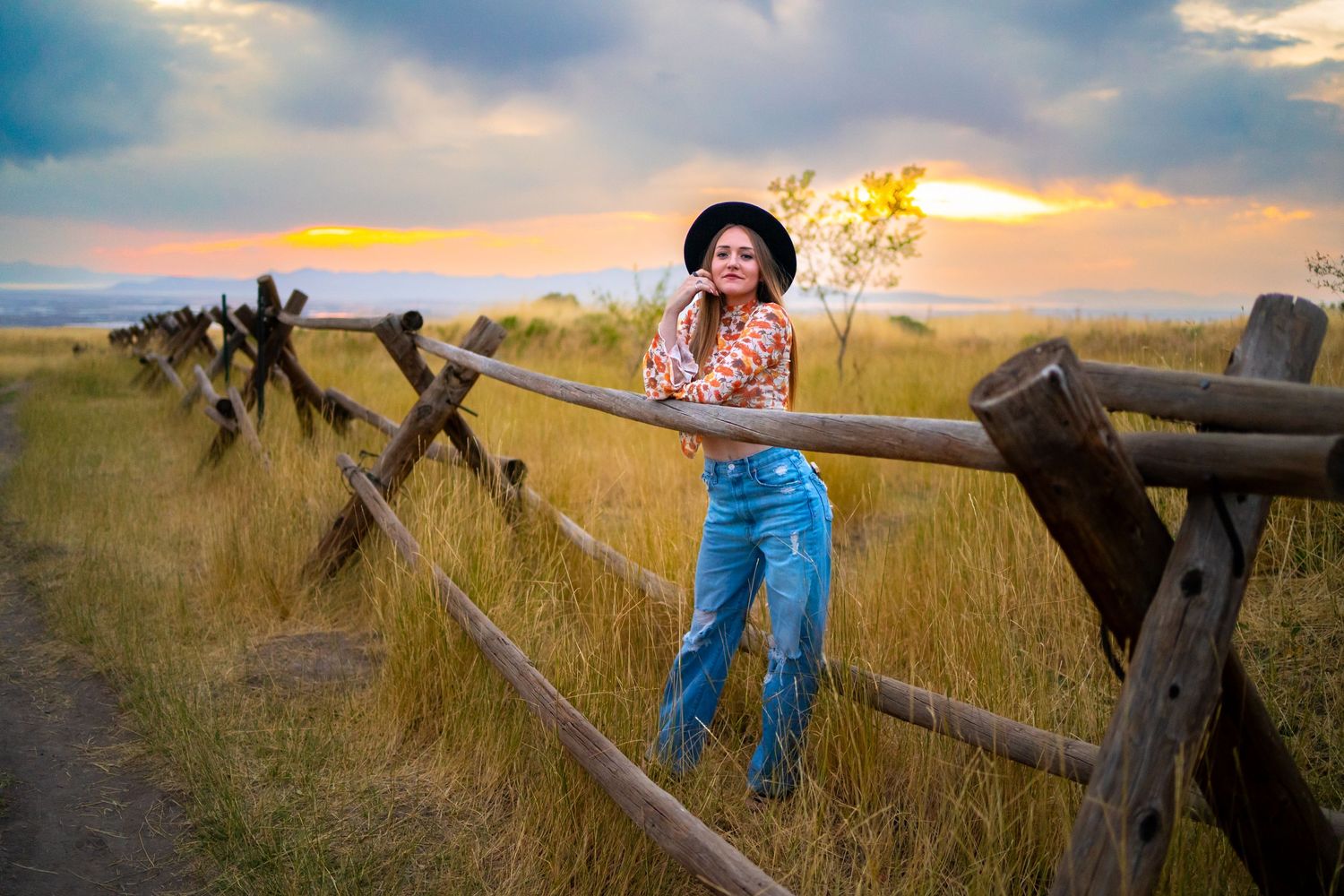
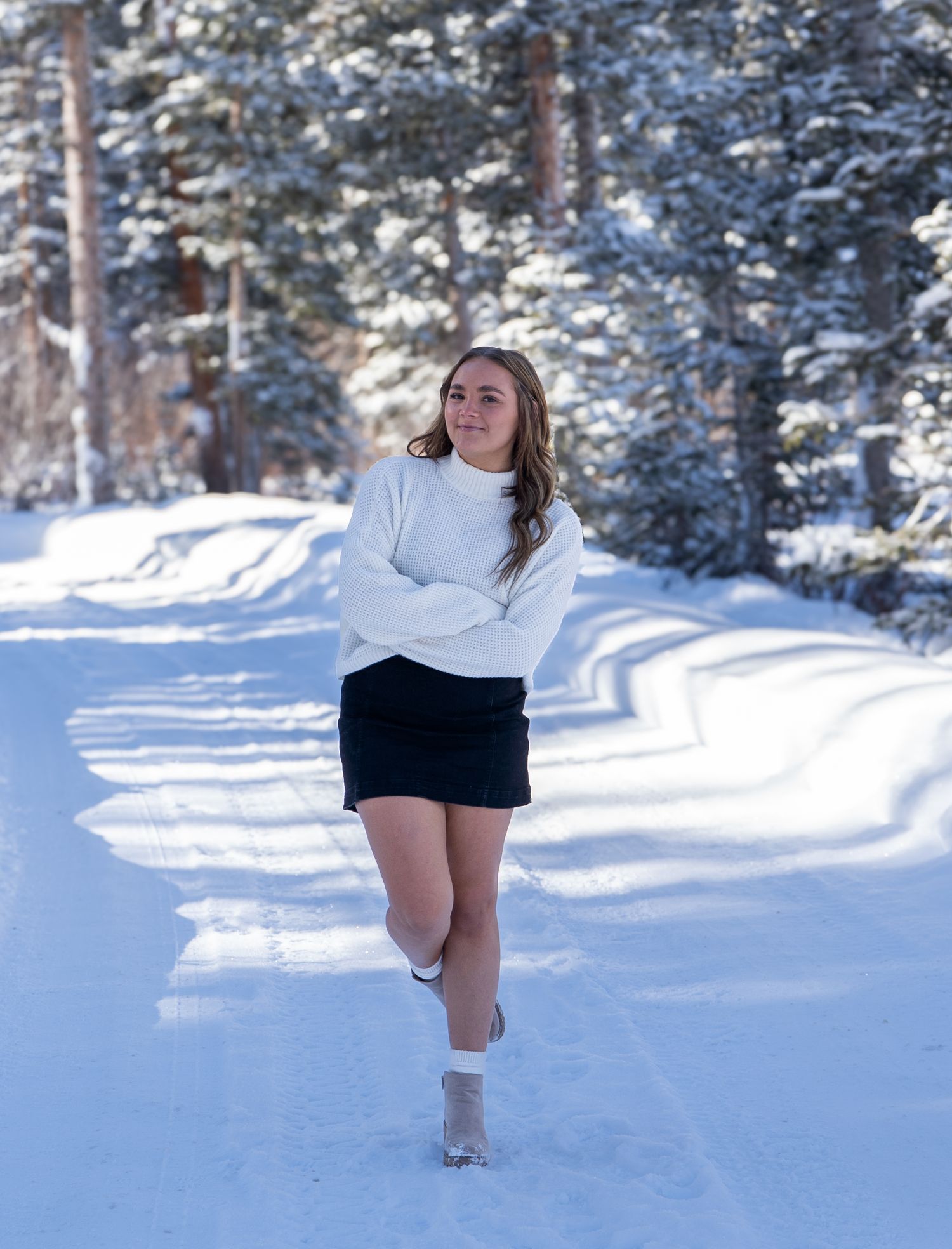
For portrait photography, a lens with a wide aperture and a focal length between 50mm and 135mm is ideal. These lenses provide flattering perspectives and beautiful background blur (bokeh), helping to isolate your subject.
- Best Choice: 85mm f/1.4 or f/1.8 Prime Lens
- Why? The 85mm lens is a portrait favorite due to its flattering compression and ability to create creamy bokeh. The wide aperture allows for shooting in low light and gives you a shallow depth of field, ensuring your subject stands out.
- Alternative Option: 50mm f/1.8 – A versatile, affordable choice for beginners or those in smaller shooting spaces.
Pro Tip: For headshots, the 85mm to 135mm range provides the most flattering results without distortion. If you’re shooting full-body portraits, a 50mm or 35mm might be more practical.
2. What lens works best for landscape photography?
In landscape photography, capturing as much of the scene as possible is key. You want a lens that offers a wide field of view, sharpness, and good depth of field.
- Best Choice: 16-35mm f/4 Wide-Angle Zoom Lens
- Why? A wide-angle lens allows you to capture sweeping vistas and dramatic skies. The 16-35mm range is popular because it provides flexibility without too much distortion at the wider end.
- Alternative Option: 24mm Prime Lens – Great for landscapes if you prefer working with a fixed focal length.
Pro Tip: Use a smaller aperture (higher f-stop, like f/8 or f/11) to ensure both foreground and background are sharp.
3. What lens is best for event or wedding photography?
For weddings and events, you need a versatile zoom lens that covers a range of focal lengths to handle everything from wide shots of venues to close-ups of emotional moments.
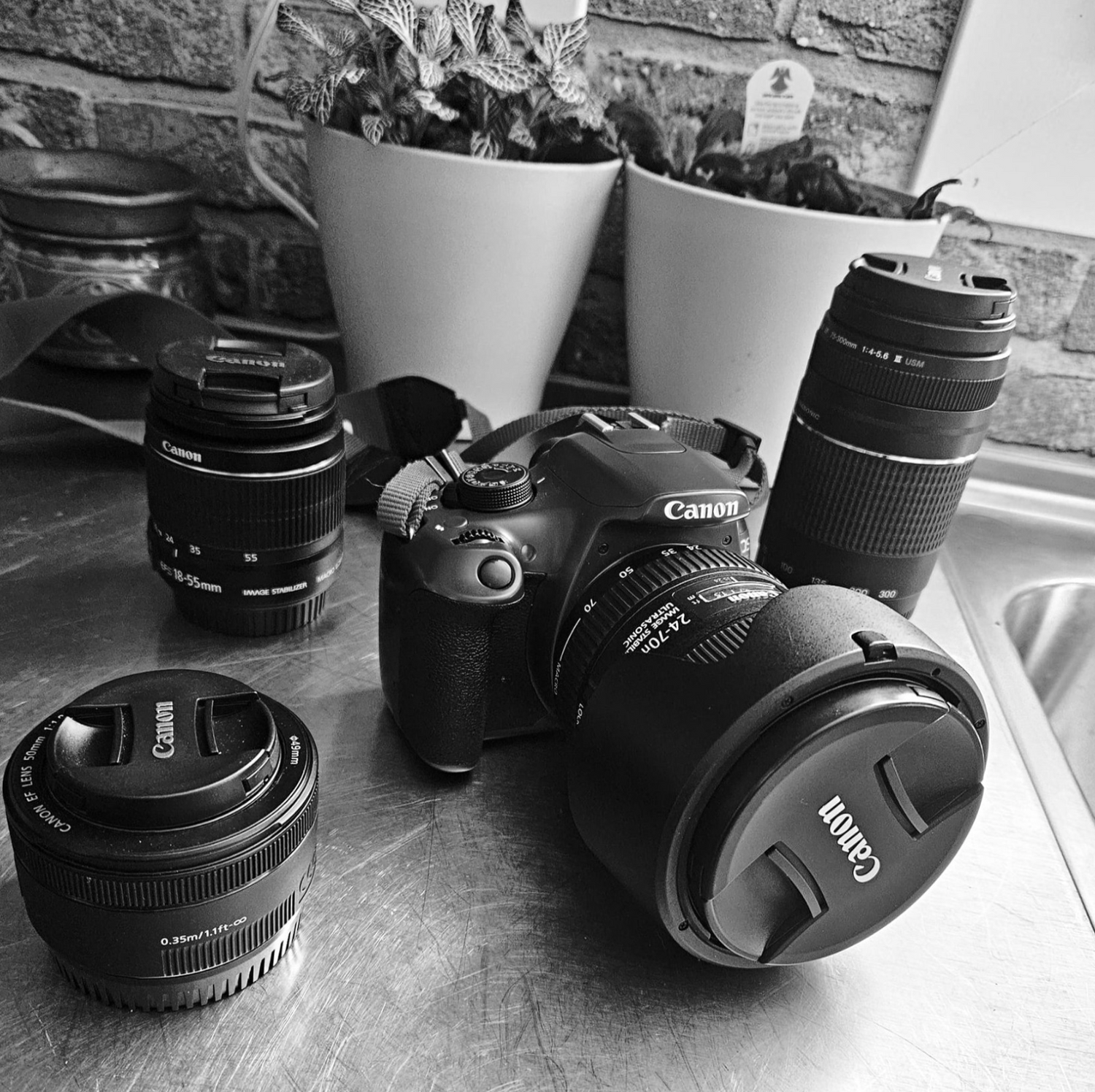
- Best Choice: 24-70mm f/2.8 Zoom Lens
- Why? The 24-70mm lens is incredibly versatile. It’s wide enough for group shots and wide-angle scenes, but also offers enough zoom to capture close-ups and candid moments without switching lenses.
- Alternative Option: 70-200mm f/2.8 – This lens is fantastic for capturing intimate moments from a distance without disturbing the scene.
Pro Tip: The f/2.8 aperture is ideal for low-light conditions like dimly lit reception halls or sunset ceremonies.
4. What lens should I use for macro photography?
Macro photography requires a lens that can focus on extremely close subjects while maintaining sharpness and detail.
- Best Choice: 100mm f/2.8 Macro Lens
- Why? A dedicated macro lens allows you to focus closely on tiny subjects, like flowers or insects, while maintaining excellent sharpness and detail. The 100mm focal length also provides a nice working distance between you and your subject.
- Alternative Option: 60mm Macro – Great for close-up work with a shorter focal length, useful in tighter spaces.
Pro Tip: Use manual focus for extreme close-ups to ensure precision, and consider using a tripod for stability, especially with slow shutter speeds.
5. What lens is ideal for street photography?
Street photography benefits from lightweight, fast, and discreet lenses that allow you to capture candid moments without drawing attention.
- Best Choice: 35mm f/1.8 Prime Lens
- Why? The 35mm focal length is perfect for street photography because it’s wide enough to capture the environment, but still allows you to isolate subjects. The f/1.8 aperture also lets you shoot in low-light situations, such as evenings or indoors.
- Alternative Option: 50mm f/1.8 – A classic, affordable prime lens with a slightly tighter focal length for more subject isolation.
Pro Tip: A 35mm lens mimics the field of view of the human eye, making your shots feel natural and immersive.
6. What’s the best all-around travel lens?
When traveling, you want a versatile, lightweight lens that covers a wide range of shooting scenarios from landscapes to portraits.
- Best Choice: 18-135mm f/3.5-5.6 Zoom Lens
- Why? This lens offers a broad focal range, making it a perfect travel companion. It can capture everything from wide landscapes to close-up street scenes without the need to switch lenses frequently.
- Alternative Option: 24-105mm f/4 – Another solid zoom lens with more premium features but still compact for travel.
Pro Tip: Look for lenses with image stabilization for handheld shots, especially when using slower shutter speeds while on the move.
7. What lens should I use for sports or wildlife photography?
For fast-moving subjects like athletes or wildlife, you need a telephoto lens with fast autofocus and good image stabilization to capture the action at a distance.
- Best Choice: 70-200mm f/2.8 Telephoto Zoom Lens
- Why? The 70-200mm lens is ideal for isolating fast-moving subjects while providing flexibility with its zoom range. The f/2.8 aperture also allows for faster shutter speeds and smoother background blur.
- Alternative Option: 100-400mm f/4.5-5.6 – A great option for wildlife, especially if you need more reach.
Pro Tip: For sports, use continuous autofocus (AI Servo or AF-C) to keep moving subjects in focus. For wildlife, ensure you have a sturdy tripod or monopod to support longer focal lengths.
Conclusion
Choosing the perfect lens depends on the type of photography you do most often, as well as your style and vision. Whether you need a portrait lens with dreamy bokeh or a sharp, wide-angle lens for landscapes, knowing the right tools for the job will help you achieve stunning results.